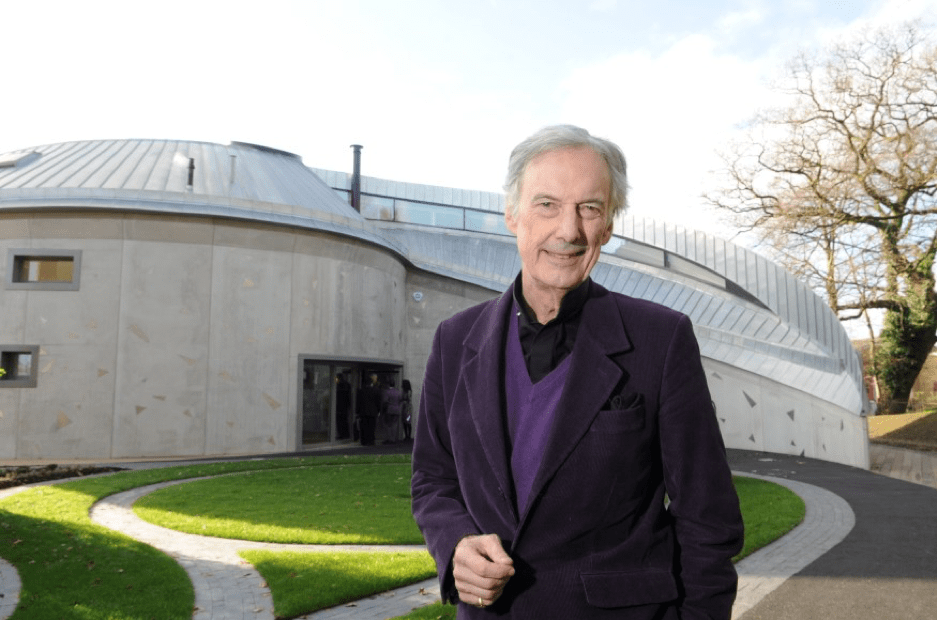
Charles Jencks was an architect/landscape architect and cultural theorist. He has written many books on modernism and postmodernism in architecture and landscape. He determined that postmodern architecture had to be anti-deterministic and multivalence in its approach. He theorizes that postmodern architecture was defined by the experience it would bring audiences. He believes in order for architecture to be postmodern it would need to be so complex that the number of meanings behind the structures are endless.
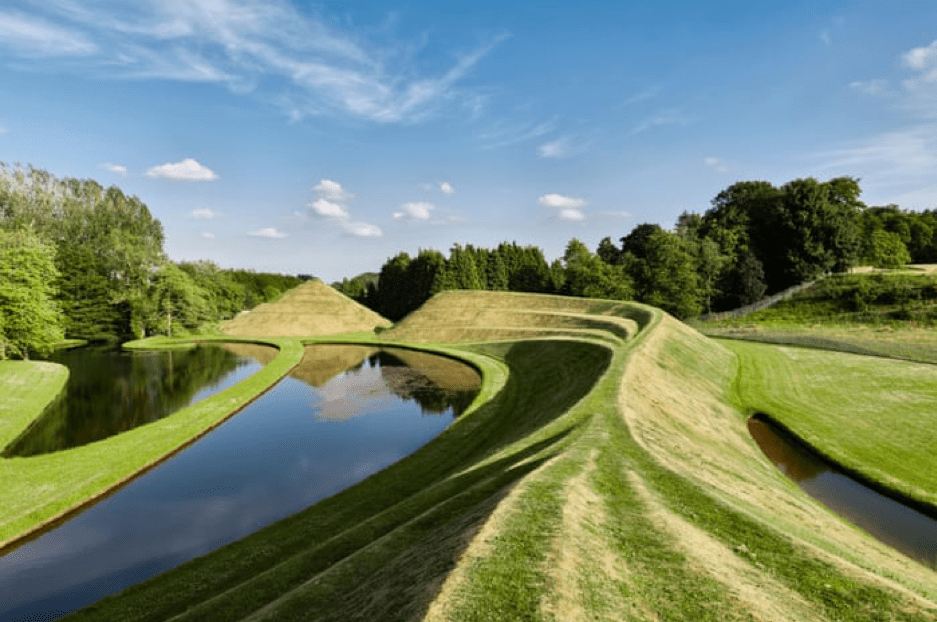
He pulled inspiration from Japanese gardening in creating his Gardens of Cosmic Speculation. (Pastiche- a characteristic in postmodernism)
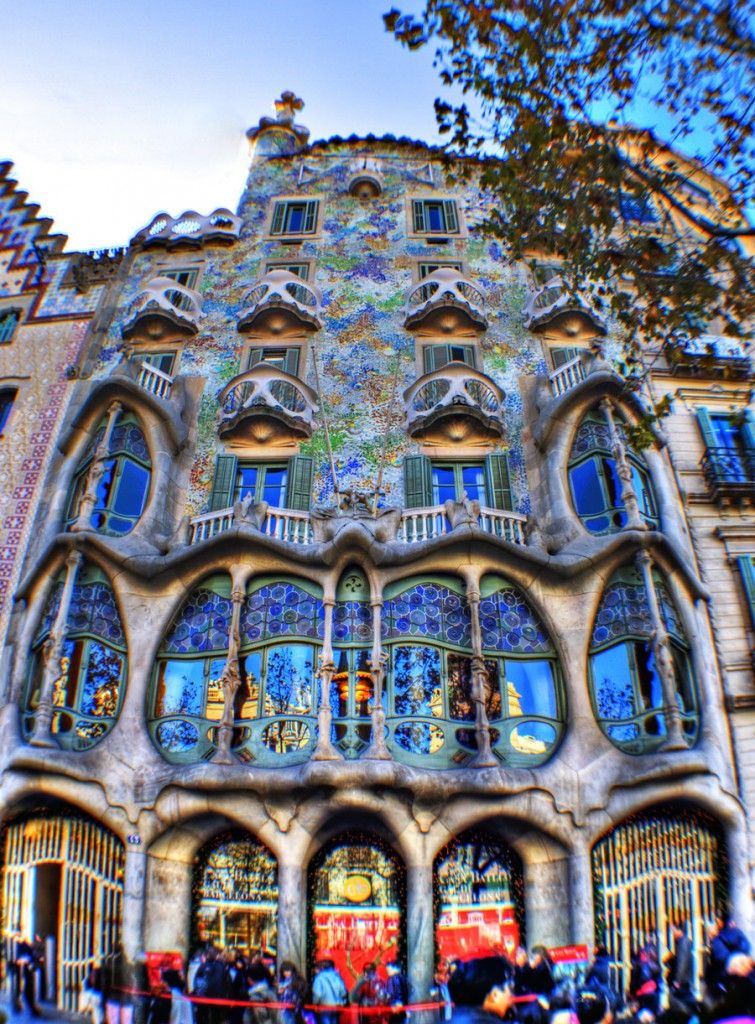
He also pulled inspiration from one of my personal favorites, Antoni Gaudi. He saw a pluralism in language through Gaudi’s work and believes this was the correct direction to move in. The facade of the building is embellished with metaphors of marine life, skeletons, etc. The building can also be seen as a dragon of sorts, supposedly representing Spain and being slain by a Patron Saint.
It was through postmodern architecture, he believed, that inexpressible truths could be, and should be, expressed. It is through the playfulness, pastiche, and pluralism used in Jencks’s architecture that seems to lend itself to an interpretation that there are endless interpretations in which it all depends on the human experience of it all.
 Postmodern with a captital P